
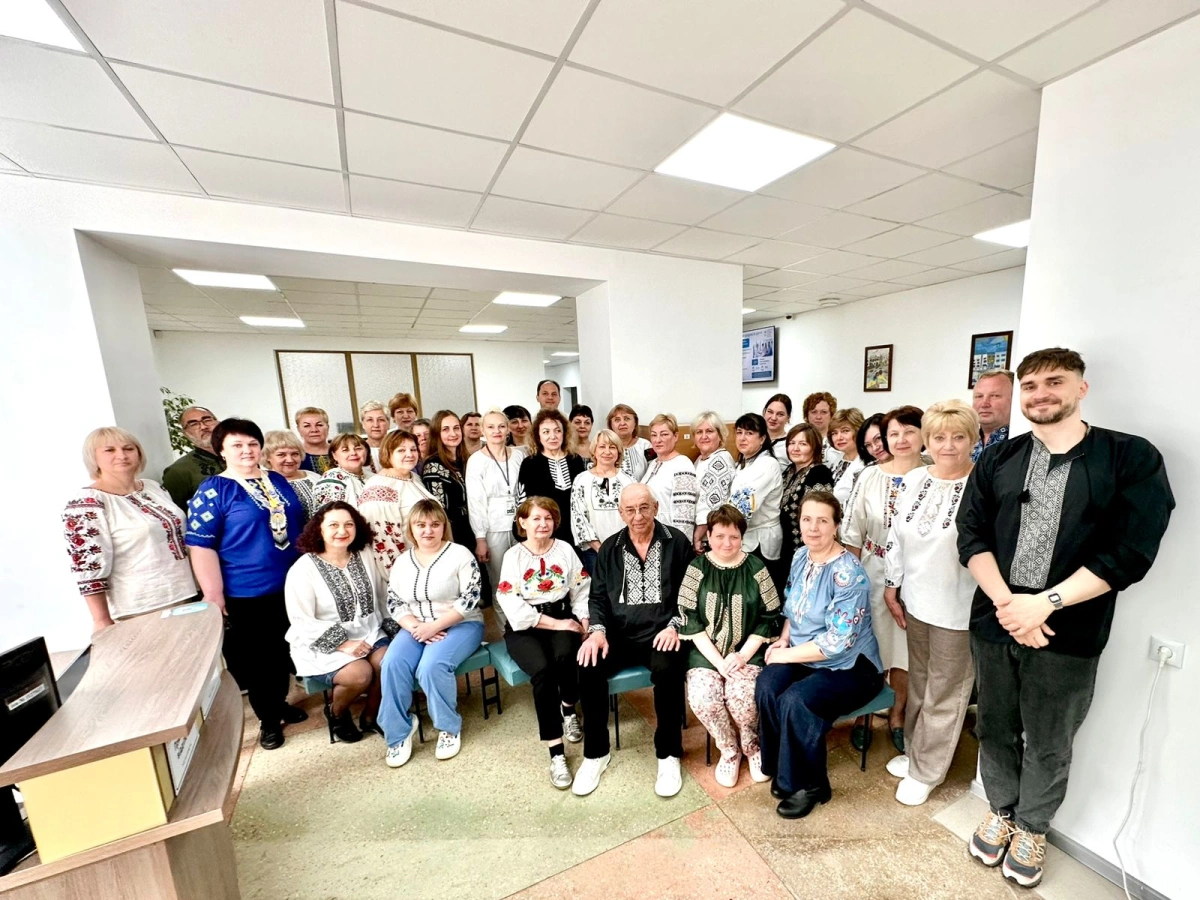
Medical resistance movement and preservation of the living space of the nation.
The medical community of the Kherson region during the most difficult trials (occupation, undermining of the Kakhovka hydroelectric power station, daily artillery and drone strikes) transformed into an outpost of national defense. This is a unique socio-cultural phenomenon - "medical resistance", where hospitals became islands of Ukrainian statehood in conditions of total terror.
The main marker of this phenomenon is an uncompromising refusal to cooperate with the enemy. When the occupiers demanded a transition to Russian standards, forced Russification or tried to appropriate the property of institutions, Kherson doctors sabotaged the orders of the invaders. They hid Ukrainian documentation, saved precious equipment from robbery, falsified medical records to protect wounded activists or ATO members from torture, and secretly treated Ukrainian patriots. Even under the sights of machine guns, they remained faithful to the Hippocratic Oath and the Oath of the Doctor of Ukraine, recording that the Kherson identity is unbreakable.
Saving lives at the limit of human capabilities.
The contribution of Kherson doctors to the healthcare system in extreme conditions is fundamental:
Medicine in isolation and under fire: Despite the critical shortage of medicines, the complete blockade of supplies from the territory controlled by Ukraine and the lack of basic conditions, doctors ensured the continuity of the medical process. Surgeons operated by candlelight and flashlights, obstetricians gave birth in bomb shelters to the sounds of cannonade, and therapists found ways to get vital medicines for chronically ill patients.
Overcoming humanitarian and ecological disasters: After the de-occupation of Kherson and the explosion of the Kakhovka hydroelectric power station, doctors were the first to bear the brunt of the ecological disaster. They worked in the flooded area, evacuated patients with limited mobility under shelling, and carried out emergency preventive measures to prevent outbreaks of infectious diseases. This directly preserved the gene pool and physical health of the population of Southern Ukraine.
The feat of hospital garrisons.
This criterion is based on iron solidarity and horizontal leadership.
The chief doctors and heads of departments of Kherson hospitals (for example, Kherson Regional Clinical Hospital, Tropinyh City Hospital and others) took on enormous responsibility. They conducted tough psychological negotiations with the occupiers, covering the staff, refused "ruble" salaries and found legal loopholes so that the institutions continued to be financed from the budget of Ukraine.
The hospital teams of the Kherson region showed phenomenal monolithicity. Doctors, nurses, orderlies and technical staff lived at their workplaces for months, forming closed autonomous communes. The team worked as one well-coordinated mechanism: while some stood at the operating table, others obtained food, closed windows broken by explosions or ensured the operation of generators.