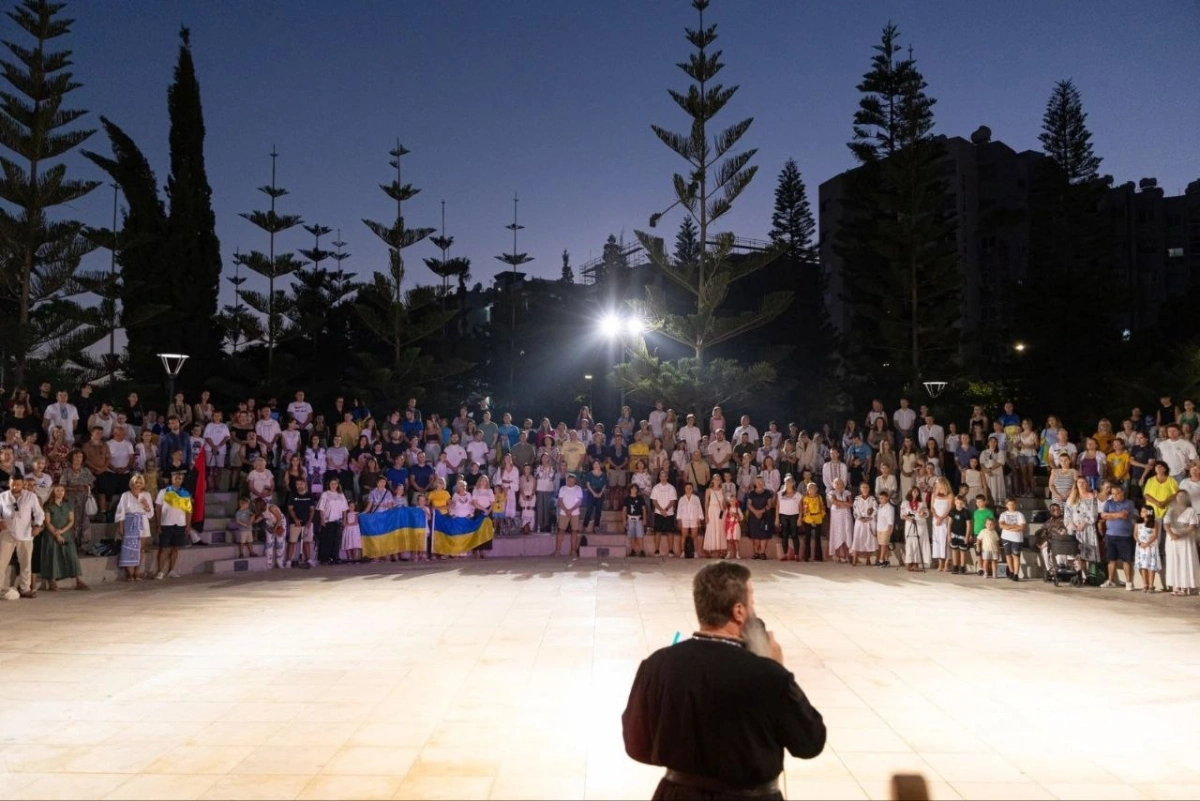
Cyprus is an island where space is literally electrified. Worlds collide here: the divided North and South, the Israeli and Arab diasporas, the tourist capital and the Middle East nearby - with its constant anxiety. The Ukrainian community lives and works in this environment. Small in number - but strikingly powerful in spirit.
Cyprus is one of the most difficult places for Ukrainians to adapt. The labor market here is narrow: most of the available jobs are hard physical labor in the tourism sector. The Greek language remains a barrier, good courses are lacking, and legal protection is only legal. People who escaped the bombings found themselves in an environment where survival is truly difficult.
Added to this is a context that is not usually spoken about aloud, but which is felt every day. Cyprus is an island with deep and long-term Russian investment: big capital, real estate, entire business sectors. The service sector has been focused on the Russian client for years. The Russian embassy here is one of the largest in the region, with over three hundred people. Open pro-Russian actions are held with the support of local officials. Provocations within the Ukrainian community, attempts to split and sow discord are not paranoia, they are an everyday reality.
Fighting this openly is impossible and futile. Our strategy is different.
Ukrainians in Cyprus communicate with Russians every day - in shops, cafes, business circles, on the streets. Russians sincerely do not understand what the strength of Ukrainians is. They themselves often make contact, try to argue - and run into a wall of flexible mind, positive energy and unwavering inner stability. Without aggression, without shouting. Simply - unbreakable.
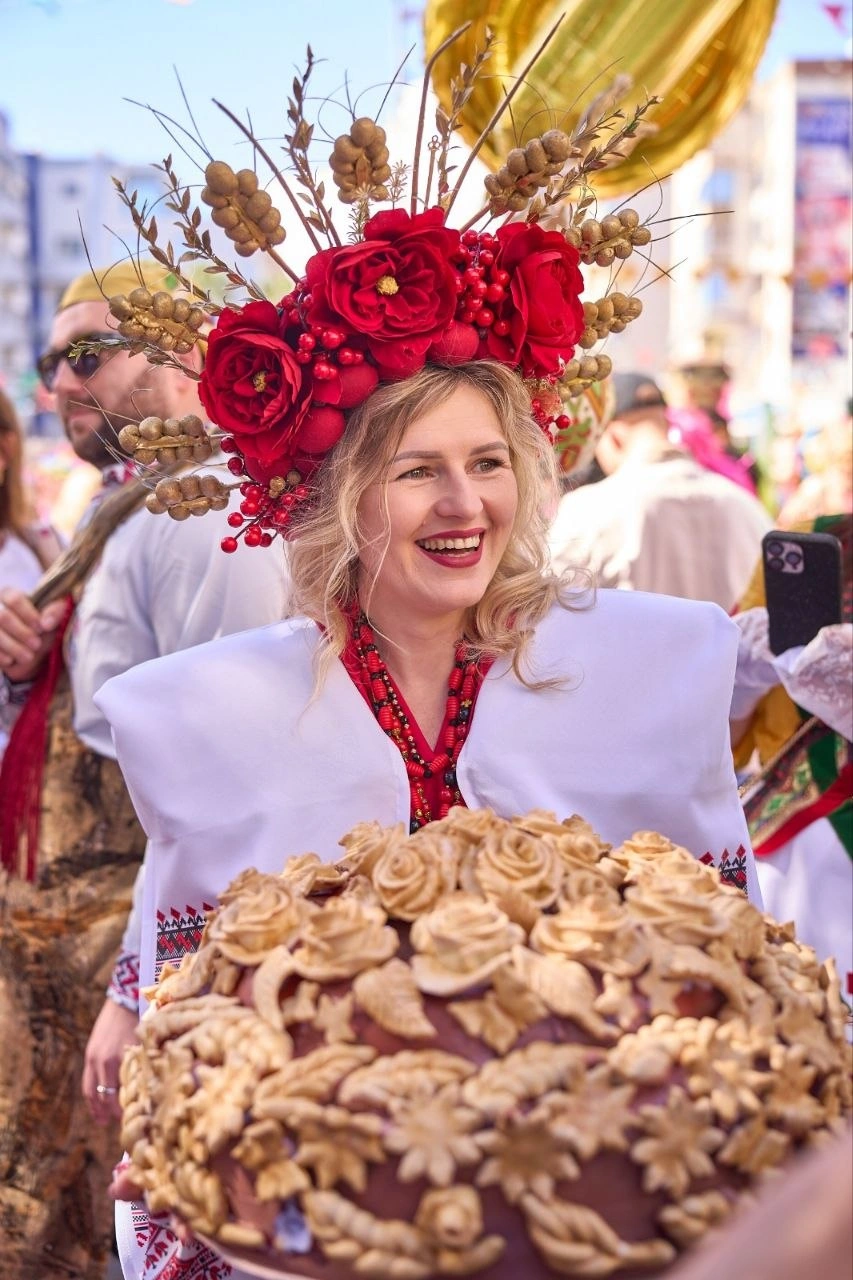
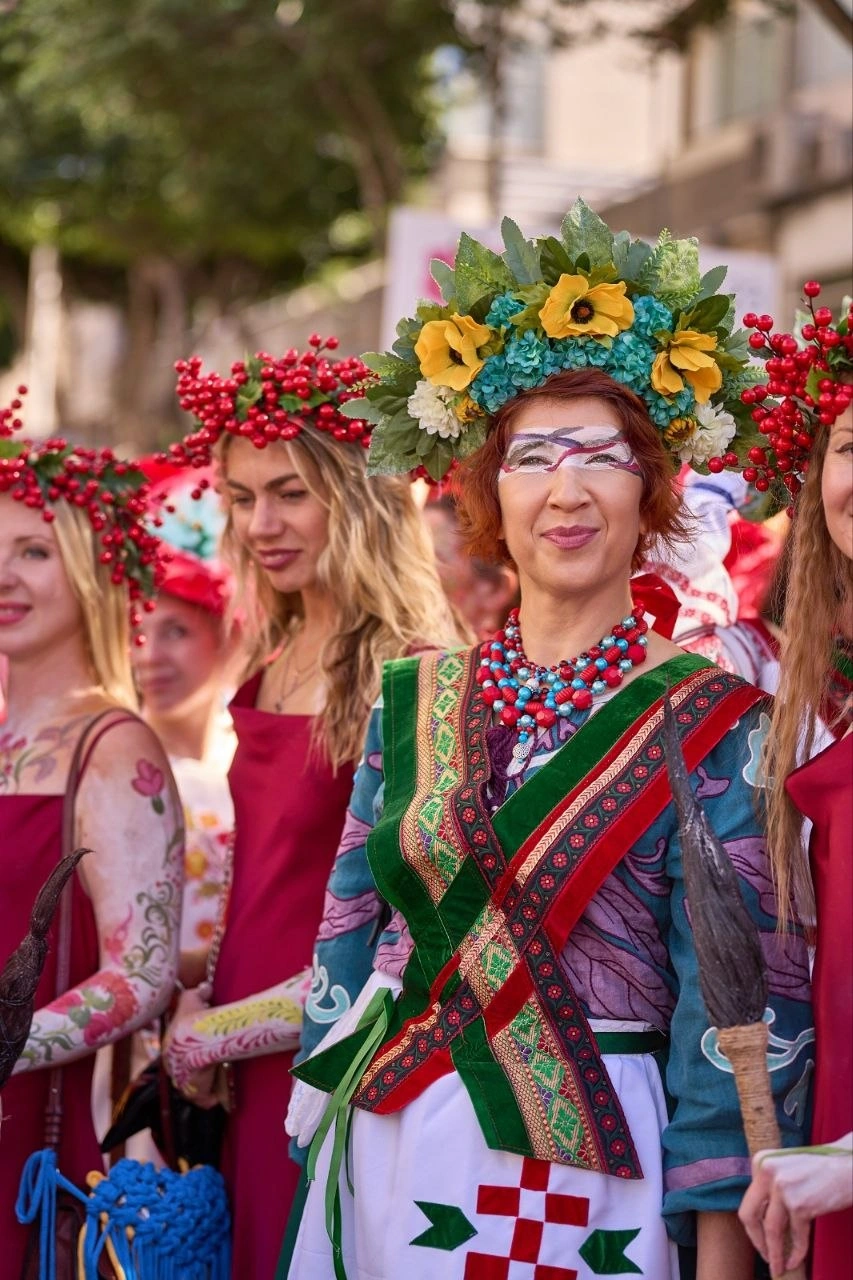
Every year at the Limassol Carnival, Ukrainian costumes and participants are in the spotlight. Ukrainians have created dozens of businesses, IT companies, business clubs, social initiatives. Cyprus has never seen so many public movements — they appeared only with the arrival of Ukrainians. Every Ukrainian here plays his role: every day he shows strength, intelligence, dignity — without weapons, without loud slogans, he simply lives and builds.
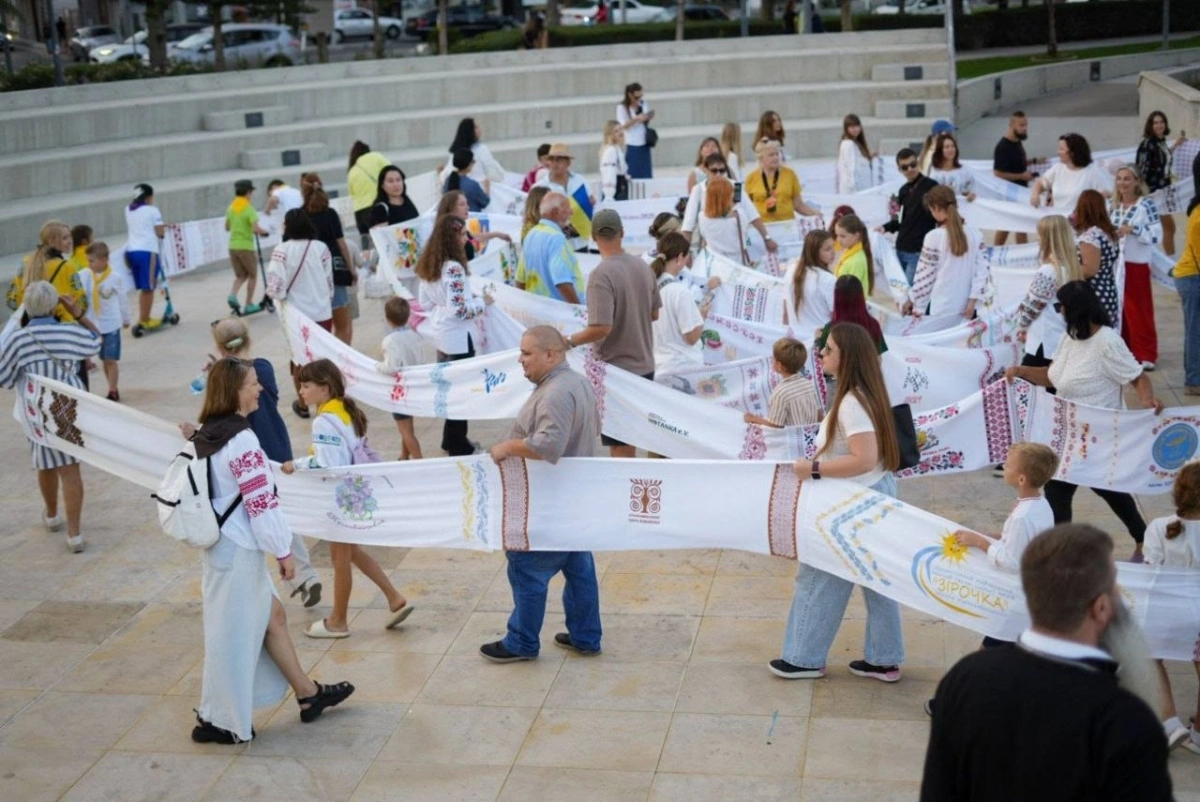
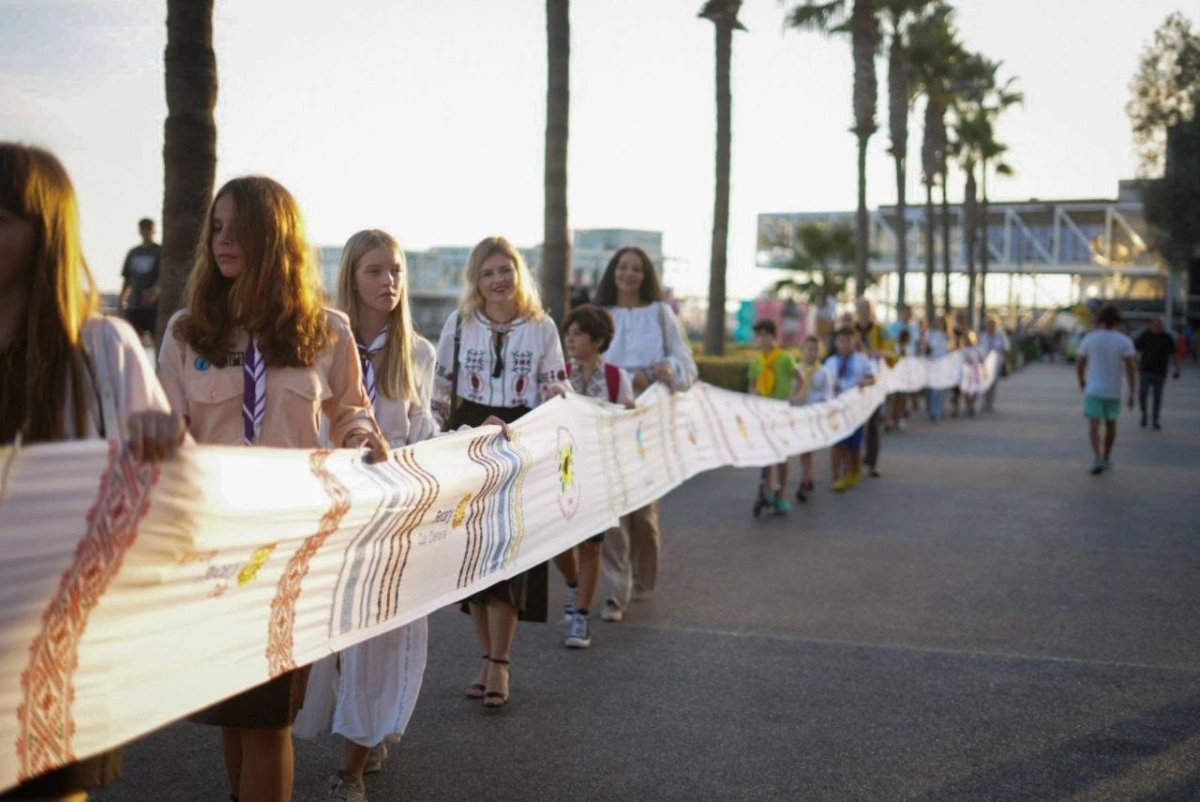
Over the four years of full-scale war, this community has created a real institutional ecosystem. Lyolya Filimonova organized large-scale humanitarian and psychological assistance to hundreds of families fleeing the bombings. Yulia Piddubna opened the Ukrainian House in Paphos — with a kindergarten, Sunday school, a museum of embroidery, choirs and a library; in 2025 alone, more than 160 events took place here and about 30,000 euros were collected for the Armed Forces of Ukraine. Zoya Kernasovskaya preserves the Ukrainian word, song and spiritual tradition - what keeps a person connected to the Motherland even thousands of kilometers away. Liliya Lapeeva founded Plast in Cyprus back in 2019 - 130 participants and 22 volunteer educators - and then "Wings": a full-day school under the NUSh program, verified by the Ministry of Education of Ukraine, where 40 children study in their native language, and the first theater with charity performances on the island. For more than ten years - non-stop, from his own pocket, without fame - Maksym Khimiy has been delivering tactical medicine and equipment to the front for two dozen units and several hospitals in Sumy and Kharkiv regions; in the first months of full-scale assistance alone, more than three million hryvnias of aid passed through his volunteer card.
And here - where money speaks louder than arguments, where Louis Vuitton and the price of a watch determine how much they will listen to you - Ukrainians show otherwise. No amount of money can compare to the flexibility and clarity of mind, the power of positive energy, the incomparable inner resilience and incredible intuition that have been passed down to us from our land and from the Cossacks. This difference is visible without words. The locals see it too. And it is precisely this that is the most accurate response to any pressure.
But there is another dimension to this presence - geopolitical, and it is perhaps the most important. Cyprus is not just an island in the Mediterranean Sea. It is the southernmost outpost of the European Union, a strategic point between Europe, the Middle East and Africa. Here are gas deposits that can become a real alternative to Russian supplies to Europe. Here interests intersect, for which they are really fighting. And Russia is fighting for Cyprus - quietly, with money, influence, destabilization: fires, political conflicts, pressure on the tourism sector, undermining trust in European institutions. All this is not a coincidence. These are the tools for returning the island to the orbit of dependence, turning it back into a closed safe with foreign money and blocked gas. The Ukrainian community - without fully realizing it at the time - stands on the path of this return. With its presence, values, culture, business and indomitability, it keeps Cyprus in the European space. Ukrainians in Cyprus are not only defending themselves. They are defending Europe - from its most vulnerable and important southern edge.